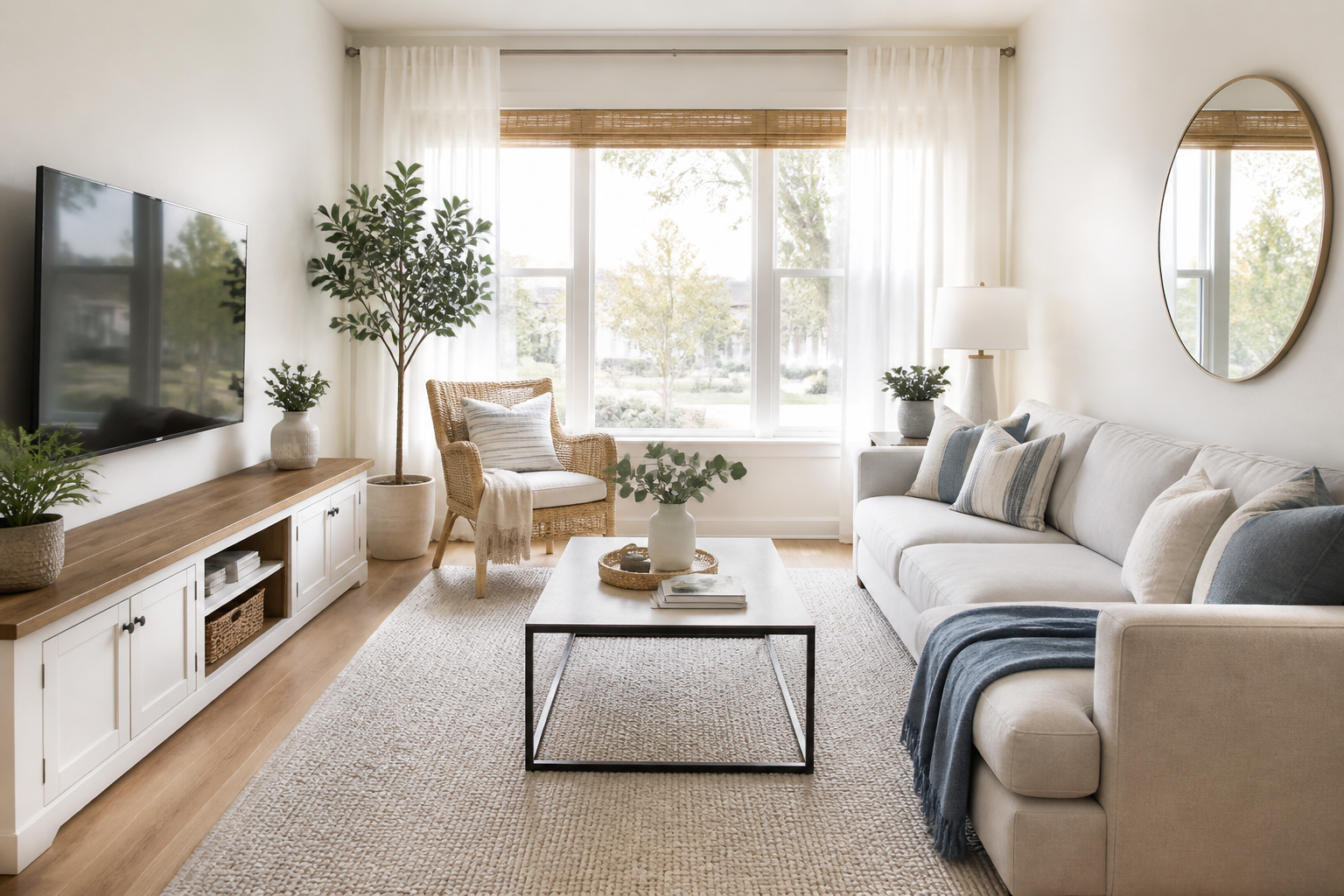
Decorating a small living room can be a challenging task, but with the right decor ideas, you can make your space feel much larger than it is. By strategically planning your layout and selecting the right elements, your living room can become both beautiful and functional. Here are some practical tips to help you create a more open and airy living space.
Choose Light and Neutral Color Palettes
One of the simplest ways to make a small living room feel bigger is by using light and neutral colors for your walls and furniture. These shades reflect more light, creating a brighter and more open atmosphere. Whites, creams, and light grays are excellent choices that provide a versatile backdrop for various decor styles. You can add pops of color with accessories like throw pillows, rugs, or artwork to maintain visual interest without overwhelming the space.
When selecting paint, consider finishes that enhance the room's brightness, such as eggshell or satin. These finishes not only resist stains but also reflect light effectively, adding to the spacious feel. Remember, darker shades can make a room feel confined, so reserve them for accents rather than dominant wall colors.
Utilize Multi-functional Furniture
In a small living room, every piece of furniture should serve a purpose. Look for multi-functional options that help maximize space without sacrificing style. Ottomans with storage, coffee tables with built-in shelves, and sofas that convert into beds are excellent choices. These pieces ensure that you have enough storage for everyday items while maintaining a tidy and clutter-free room.
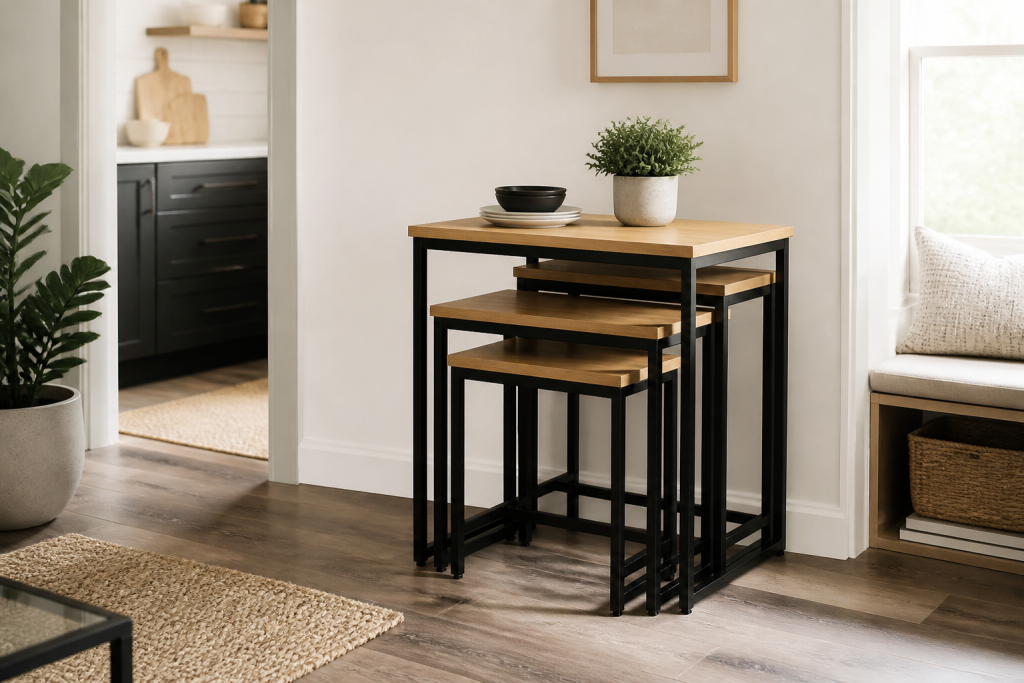
- Consider nesting tables that can be stacked to save space when not in use.
- Choose a wall-mounted desk that can double as a workspace and dining table.
- Invest in a sofa with hidden storage compartments for blankets or books.
- Opt for furniture with slim profiles to avoid overwhelming the room.
Incorporate Mirrors Strategically
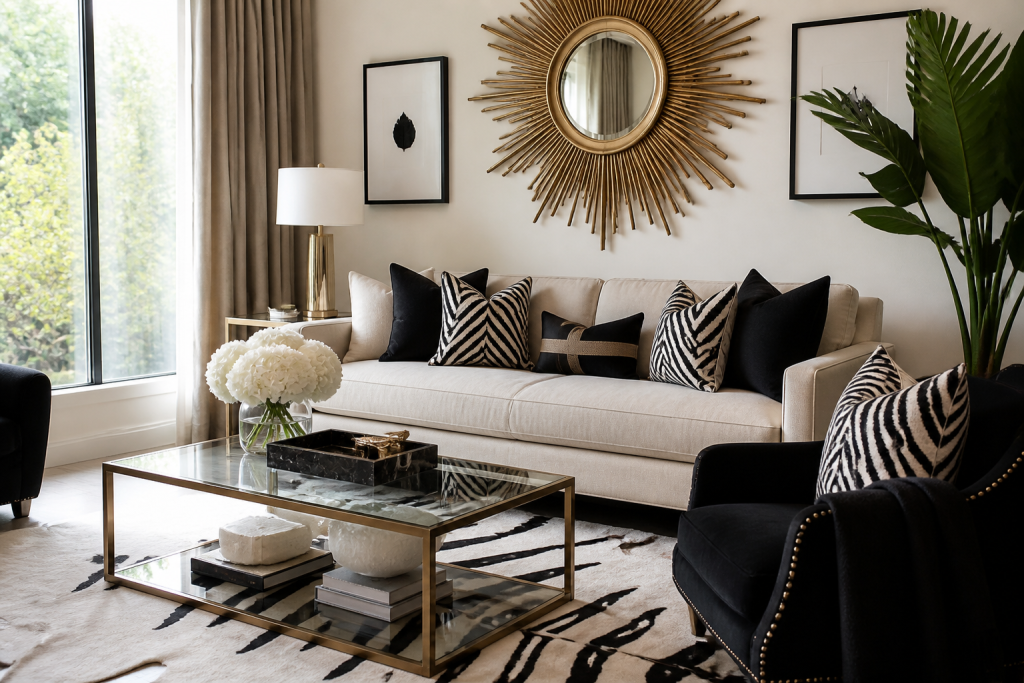
Mirrors are a powerful tool in creating the illusion of space in a small living room. By reflecting light and views, they can make your room feel significantly larger. Place a large mirror opposite a window to reflect natural light throughout the room. Alternatively, a series of smaller mirrors arranged on a wall can add depth and interest.
Consider using mirrored furniture, such as a console table or cabinet, to enhance the room's light without adding visual weight. Always be mindful of what the mirror reflects to avoid doubling clutter or undesirable views, and ensure the mirrors are positioned to highlight the room's best features.
Opt for Vertical Space Utilization
When floor space is limited, look upwards. Utilize vertical space by installing tall bookshelves or cabinets that draw the eye upwards, giving the impression of height. Vertical stripes on walls or curtains can also elongate the room, making it appear taller.
Floating shelves are another excellent option, providing storage and display space without occupying valuable floor area. Use them to showcase decorative items, plants, or books. This not only keeps the floor clear but also adds personality to your living room.
Embrace Minimalist Design Principles
Adopting a minimalist approach can significantly open up a small living room. Focus on essential items, and remove unnecessary clutter to create a clean and tidy environment. Choose furniture with simple lines and avoid overly ornate designs that can crowd the space.
Keep decorations and accessories to a minimum, selecting a few statement pieces that complement your overall theme. By limiting the number of items in the room, you allow each piece to stand out, creating a more cohesive and visually spacious area.
Enhance Lighting for Ambience
Proper lighting is crucial in making a small living room feel larger. Layer your lighting by combining ambient, task, and accent lights. Use floor lamps, wall sconces, and table lamps to add warmth and depth to the room. Adjustable lighting options allow you to change the mood and function of the space easily.
Consider lighting fixtures that provide uplighting, such as torchiere lamps, which direct light towards the ceiling and create a sense of height. Avoid large, bulky chandeliers that can dominate the room; instead, opt for sleek, contemporary designs that complement the space's scale.